

Chances are if you’re trying to prioritize your wellness or use food to improve a health issue, you’ve searched “best foods for..” a time or two.
But unfortunately, an Internet search or social media scroll can leave you feeling more confused than clear. One expert says to eat more protein. Another says to prioritize gut health. Then there are foods for hormone balance, foods for longevity, foods for your brain, foods for glowing skin, and foods that supposedly fix everything in between.
But our body systems don’t all work independently. They are all playing for the same team. And the good news is, with closer look, we find more overlap than you may suspect across those “best foods for” lists.
The foods that repeatedly show up in recommendations for things like cardiovascular health, cognitive health, healthy aging, and metabolic health, provide the many of the things our bodies need to function well overall: fiber, healthy fats, protein, vitamins, minerals, and beneficial plant compounds.
We don’t need a separate diet for every part of our body. Building a small roster of foods that do a lot of good is likely a better goal for many of us. You need a handful of nutrient-dense foods that you eat consistently, in combinations that work for your real life.
So let’s simplify things.
The 12 foods worth making room for on your plate:
Side note- You don’t have to buy everything on this list every week. Start with the foods you enjoy, choose a few favorites, and build from there.
1. Berries: for your brain, heart, and healthy aging

Blueberries, strawberries, raspberries, and blackberries are rich in fiber and polyphenols, including anthocyanins.
They’re a simple way to add more plant compounds to your diet, and research has linked berry-rich eating patterns with cardiovascular health and aspects of cognitive health.
The easy habit: Add a handful of berries to breakfast, spoon them over yogurt, or keep frozen berries on hand for smoothies and oatmeal.
Frozen counts. Fresh is lovely, but convenience wins when you’re busy enjoying life!
Want to level up your nutrition knowledge?
Learn with the Institute for Integrative Nutrition.
Course topics include: Nutrition for Life, Hormone Health, Gut Health, Mindful Eating, Detox your Life and more!
2. Fatty fish: for your heart and brain

Salmon, sardines, trout, and other oily fish provide omega-3 fats, particularly EPA and DHA, along with protein.
These fats are important for normal brain function, and eating fish regularly is a well-established part of heart-healthy dietary patterns.
The easy habit: Aim to include fish about twice a week if you can. Keep canned sardines or salmon in the pantry for the days when cooking an elaborate dinner isn’t happening.
3. Nuts: for your heart, brain, and metabolic health
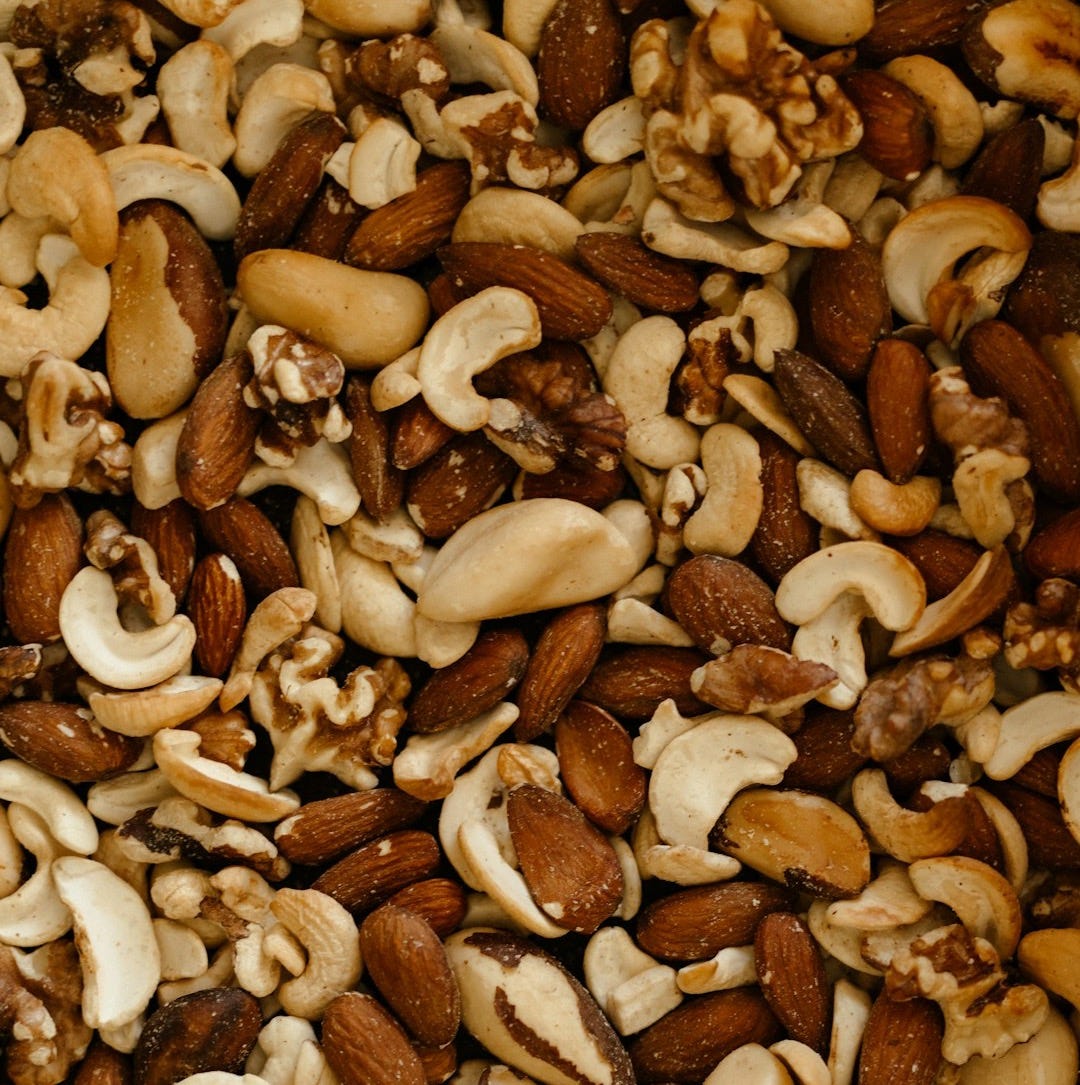
Walnuts, almonds, pistachios, and other nuts provide unsaturated fats, fiber, minerals, and other beneficial nutrients.
They’re satisfying, simple to grab and go, and easy to add to meals without doing any extra cooking.
The easy habit: Keep a container of nuts on your counter, at your desk, or in your hand bag. Sprinkle them over salads, oatmeal, or yogurt. A small handful makes an easy snack.
4. Seeds: for fiber, healthy fats, and essential nutrients

Chia, ground flaxseed, and pumpkin seeds each bring something different to the table.
Chia seeds provide fiber and plant-based omega-3 fats.
Ground flaxseed provides fiber, omega-3 fats, and lignans.
Pumpkin seeds provide minerals, including magnesium and zinc.
The easy habit: Choose one seed you like. Stir chia or ground flaxseed into oatmeal or yogurt, or sprinkle pumpkin seeds over a salad.
5. Leafy greens: for your heart, bones, and overall health
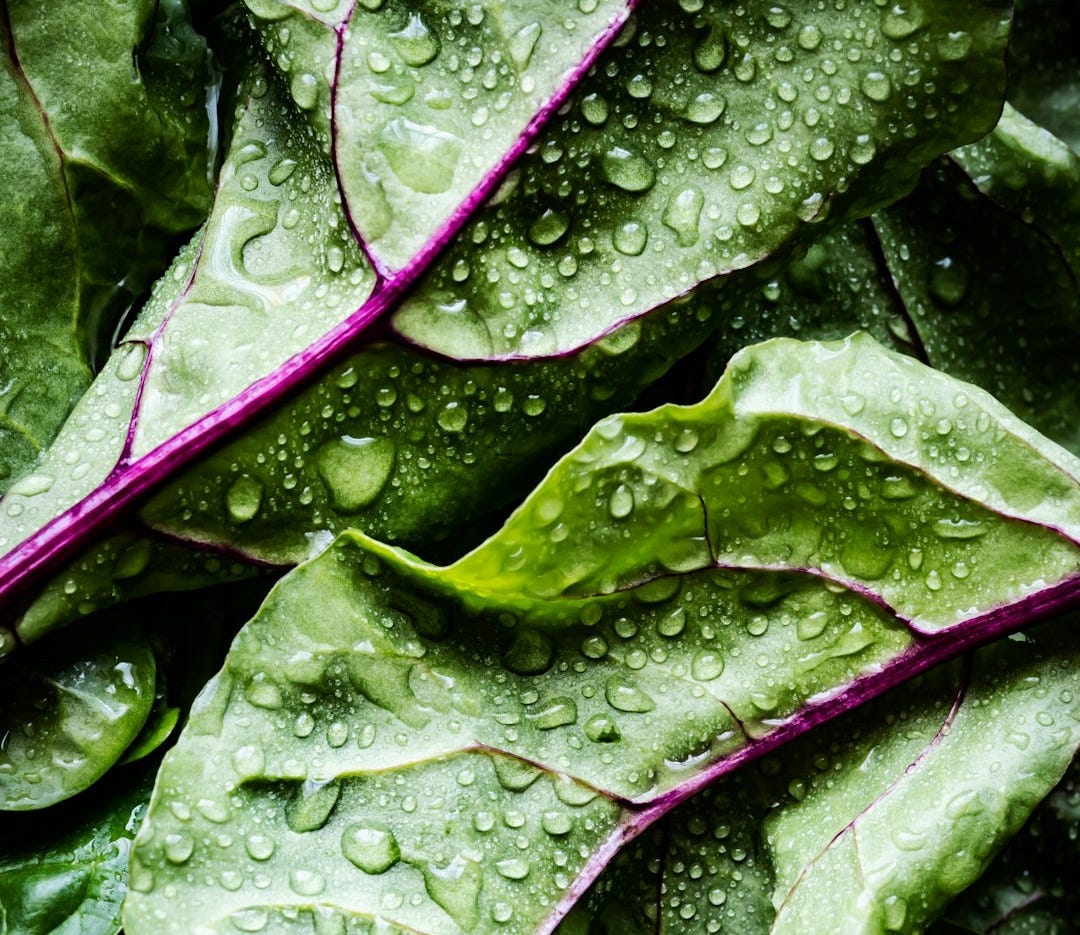
Spinach, kale, arugula, collards, and Swiss chard provide folate, vitamin K, carotenoids, and other nutrients.
They may not be the most exciting item on the grocery list, but they may be one of the easiest ways to increase the nutritional value of a meal.
The easy habit: Buy prewashed greens. Add a handful to scrambled eggs, pasta, soup, smoothies, or whatever you’re already making.
You don’t have to eat a beautiful salad every day. You just need to eat more greens.
6. Cruciferous vegetables: for fiber and normal hormone metabolism

Broccoli, Brussels sprouts, cauliflower, cabbage, and bok choy contain fiber and compounds called glucosinolates, which have been studied for their roles in cellular health.
They’re worth eating regularly.
The easy habit: Buy frozen broccoli or cauliflower. Roast it, steam it, or toss it into a sheet-pan dinner. Frozen vegetables are nutritious, convenient, and often less expensive.
7. Beans and lentils: for your gut, heart, and blood sugar

Beans, chickpeas, and lentils provide fiber, plant protein, folate, and other minerals. Their fiber also helps support bowel regularity and a healthy gut microbiome.
They’re filling, budget-friendly, and super versatile.
The easy habit: Keep canned beans or chickpeas in your pantry. Add them to soups, salads, pasta, grain bowls, or tacos.
Start with one or two meals a week if legumes aren’t already part of your routine.
8. Oats: for your heart and gut
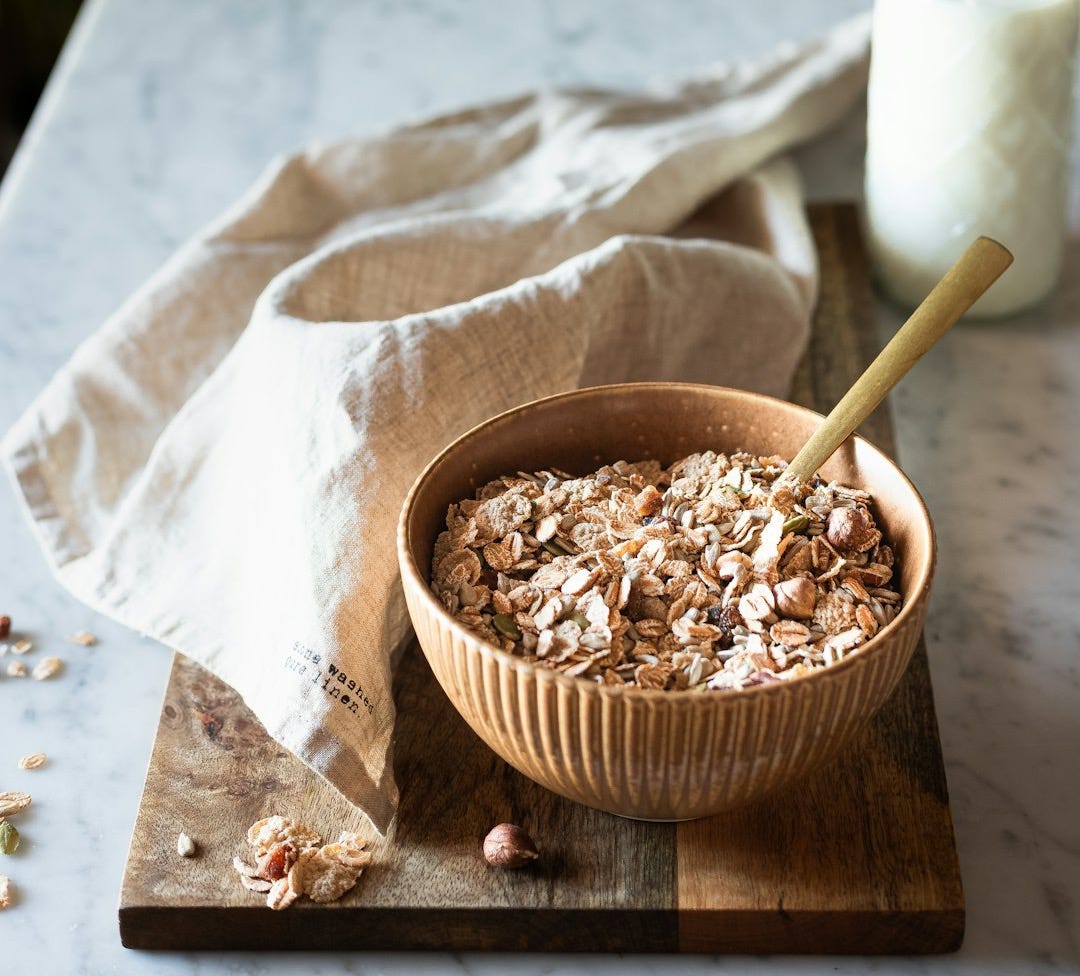
Oats contain beta-glucan, a type of soluble fiber that can help lower LDL cholesterol as part of a healthy diet.
They also provide an easy, inexpensive breakfast that can be prepared in minutes.
The easy habit: Make oatmeal, prepare overnight oats or baked oats in advance, or add oats to smoothies. Pair them with yogurt, nuts, seeds, or berries or mix in egg whites to make breakfast more satisfying.
9. Extra-virgin olive oil: for cardiovascular health and healthy aging

Olive oil is a cornerstone of the Mediterranean diet. It’s rich in monounsaturated fats, and extra-virgin varieties also contain polyphenols.
One of the most useful things about olive oil is that it can replace butter or other fats higher in saturated fat.
The easy habit: Use extra-virgin olive oil for salad dressings, drizzling over vegetables, and everyday cooking.
A healthy diet doesn’t have to be fat-free. In fact, the type of fat matters most.
10. Avocados: for fiber, potassium, and healthy fats
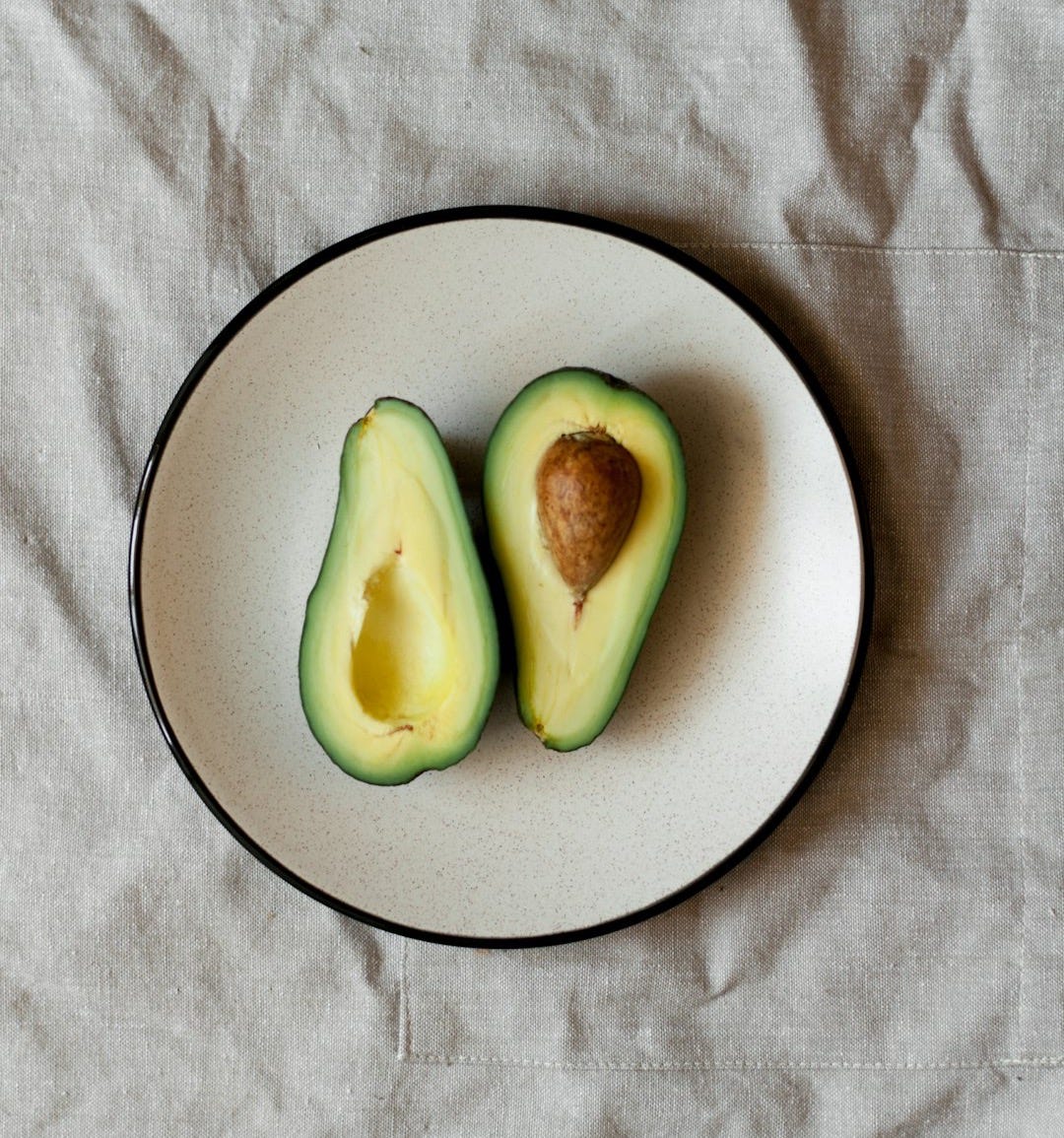
Avocados provide monounsaturated fats, fiber, potassium, and folate.
They’re easy to work into meals and can help make a meal more satisfying.
The easy habit: Add avocado to eggs, toast, salads, or grain bowls. If fresh avocados are expensive or hard to time perfectly, don’t feel obligated to buy them every week.
They’re a useful option, not a daily requirement.
11. Eggs: for protein and choline

Eggs provide high-quality protein, choline, vitamin B12, and other nutrients.
Choline is especially important for cell membranes and normal brain and nervous-system function.
They’re also one of the easiest ways to get a protein-rich meal on the table quickly.
The easy habit: Keep eggs on hand for breakfast, quick lunches, or simple dinners. Scramble them with spinach, boil a few ahead of time, or add one to a grain bowl.
12. Plain yogurt or kefir: for protein and gut health
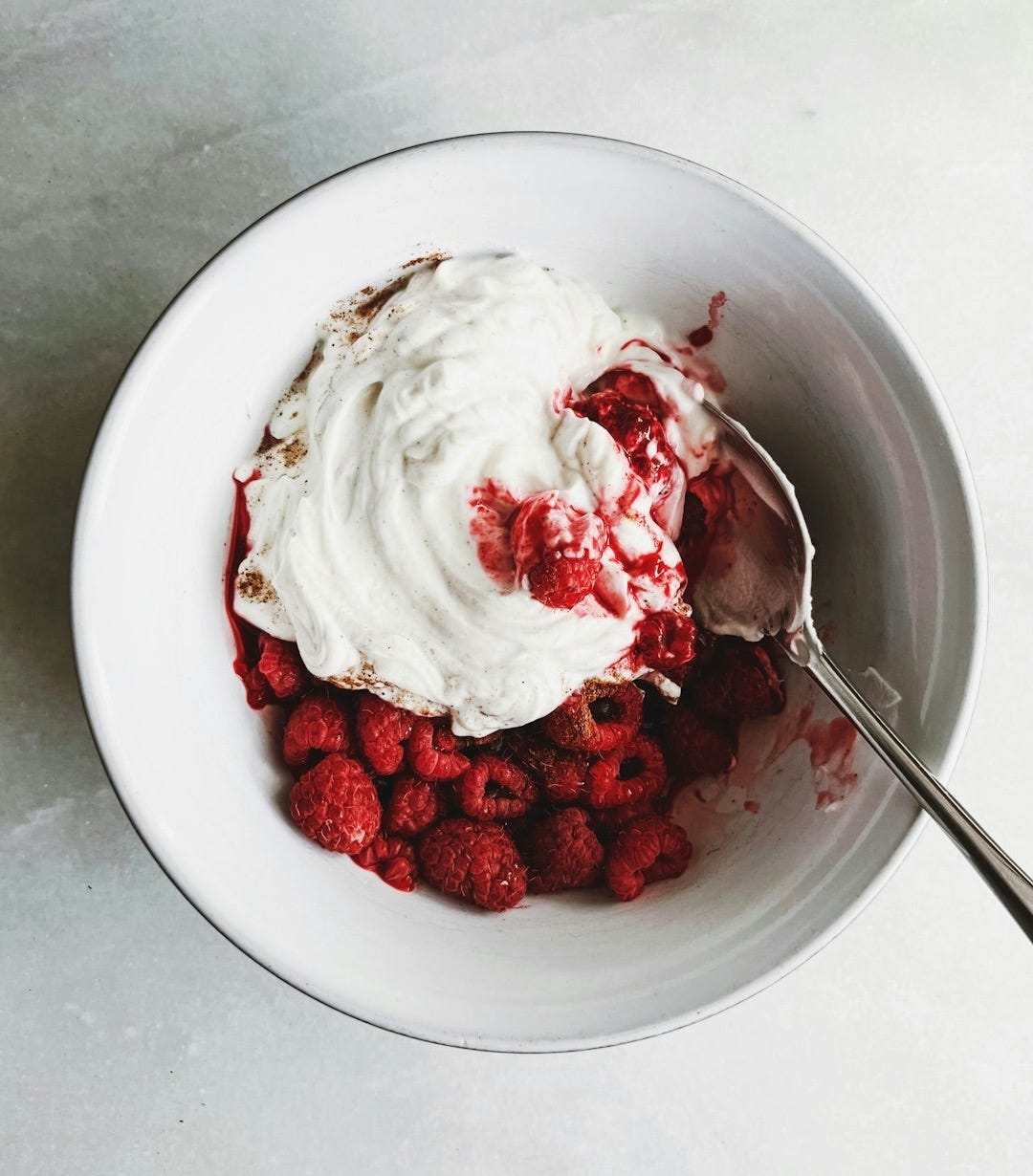
Yogurt and kefir can provide protein, calcium, and live cultures, depending on the product.
The easy habit: Choose plain yogurt or kefir that you enjoy. Add fruit, nuts, seeds, or a little honey if you’d like.
Incorporating these foods in real life:
The three-habit approach
Habit 1: Add something nutritious to breakfast.
Choose one:
Oatmeal with berries and walnuts.
Greek yogurt with chia seeds and fruit.
Eggs with spinach and whole-grain toast.
Habit 2: Make lunch or dinner a little more plant-rich.
Choose one:
Add beans to a salad or soup.
Add broccoli to your usual dinner.
Add leafy greens to pasta or eggs.
Use olive oil and seasonings to make vegetables more appealing.
Habit 3: Plan two easy protein options for the week.
Choose two:
Eggs
Greek yogurt or kefir
Canned beans or lentils
Salmon or sardines
Tofu or tempeh
Chicken
That’s it. Start with three foods you enjoy. Find easy ways to eat them more often. Build from there.
Eat enough overall.
Include protein regularly.
Don’t fear healthy fats.
Eat fiber-rich plants.
Your health is worth investing in, but it shouldn’t require your entire life to revolve around it.
What are the three foods you want to make a regular part of your week? I’d love to hear what works for you!
Cooking at home? Browse some of my kitchen favorites here.

If you’re a writer or creator who enjoys sharing products that you genuinely love, you can apply to join ShopMy through my referral link, here. ❤️
I love the list of food and simplifying it definitely the way. There's so many diet tips or program out there that it can become overwhelming. Thank you for sharing!
Love the idea of simplifying nutrition instead of turning it into another full-time job. Consistency with a few nourishing staples beats chasing every new “superfood” trend. 🌿